
-
 Tel:86-15176910262
-

Search
Latest Quick Change system, FFX and DFT Tech.

PRODUCT
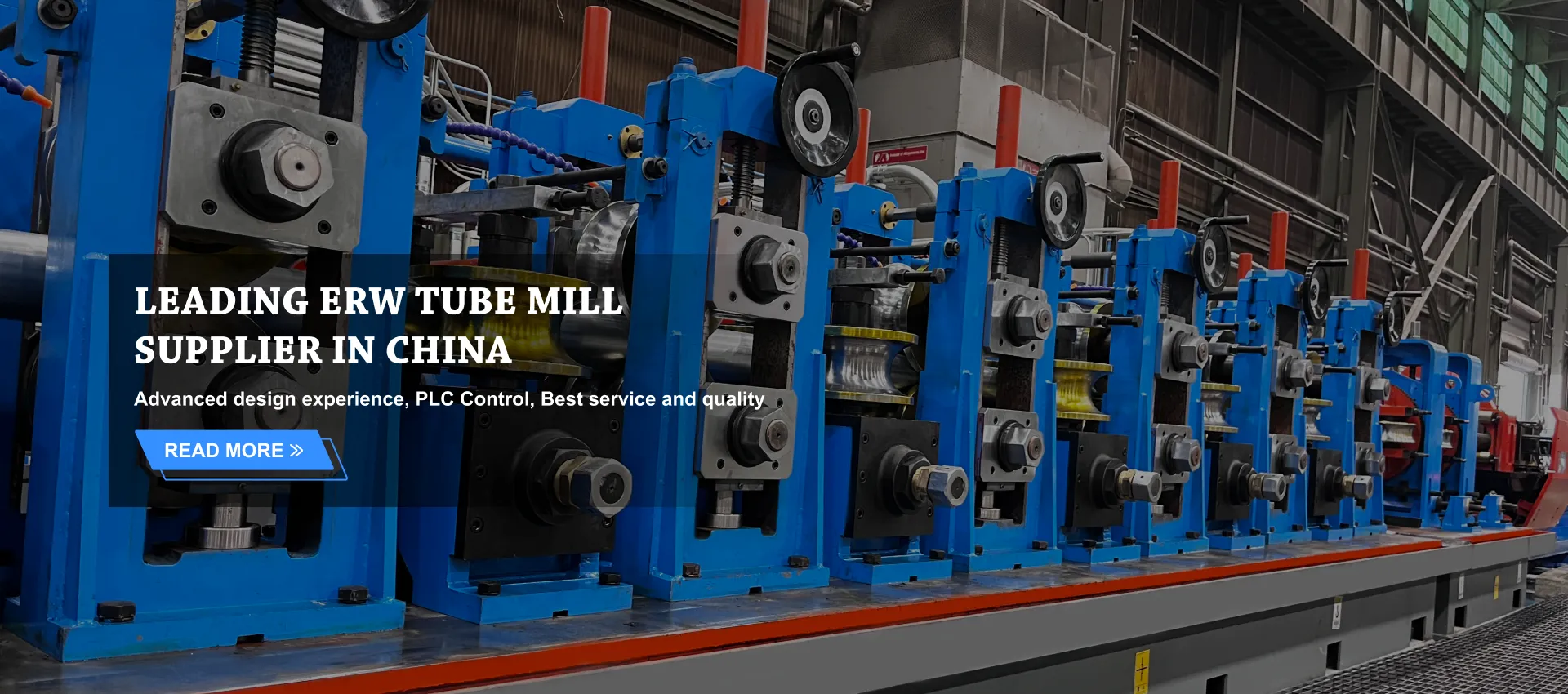
ERW TUBE MILL, SLITTING LINE, CUT TO LENGTH LINE SUPPLIER
-
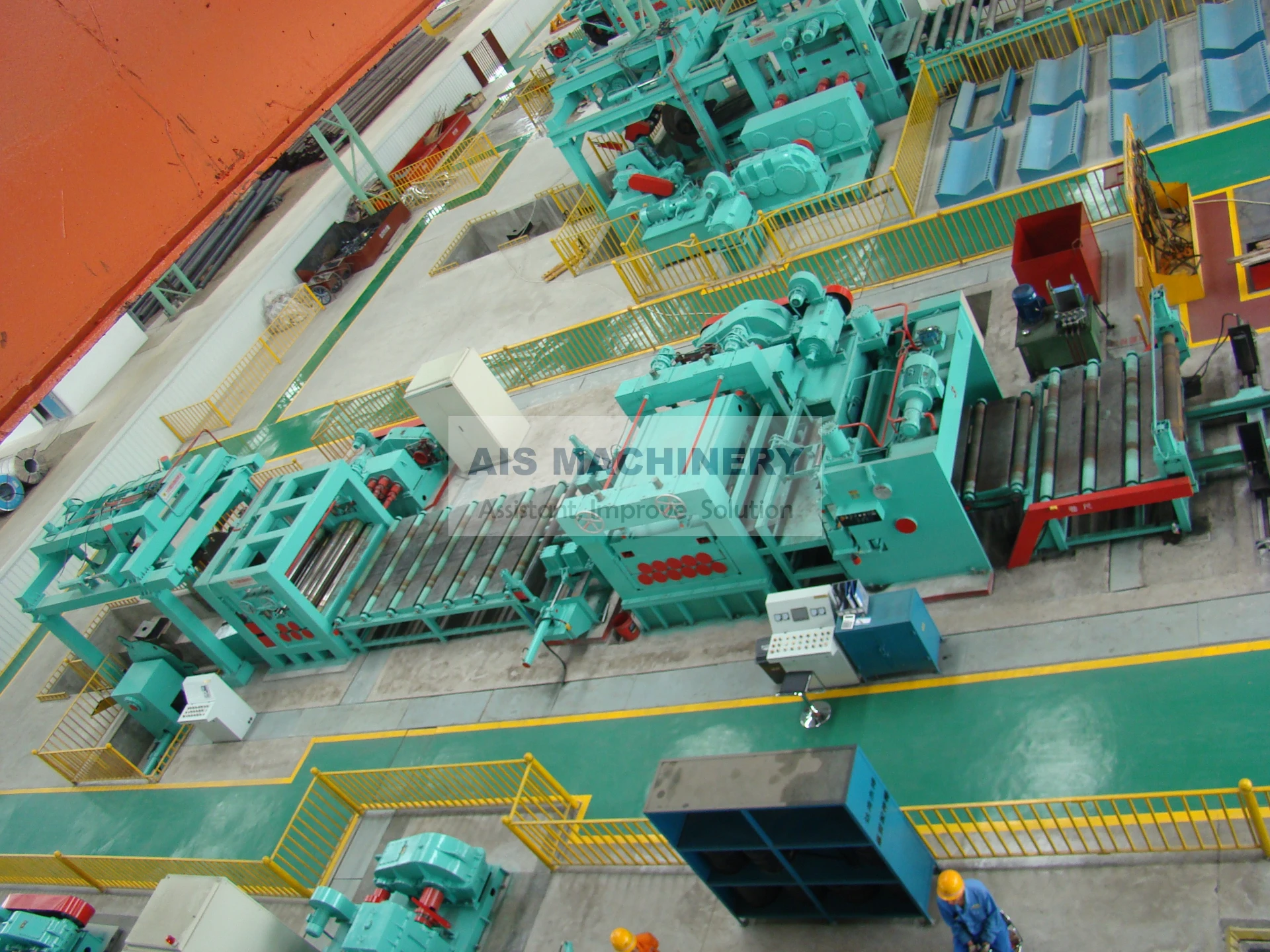 tct circular saw blades
tct circular saw blades
TCT Circular Saw Blades: Precision Cutting & Durability
READ MORE
-
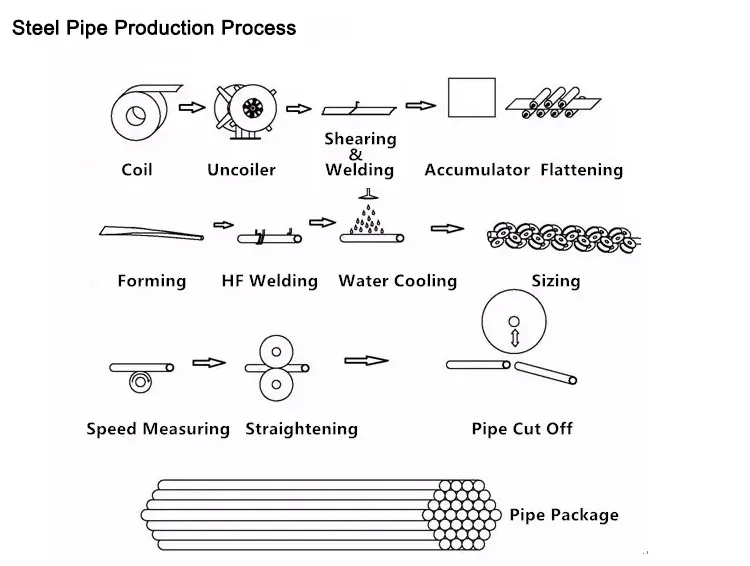 tube mill design
tube mill design
Tube Mill for Sale - ERW Welded Pipe Making Machine
READ MORE
-
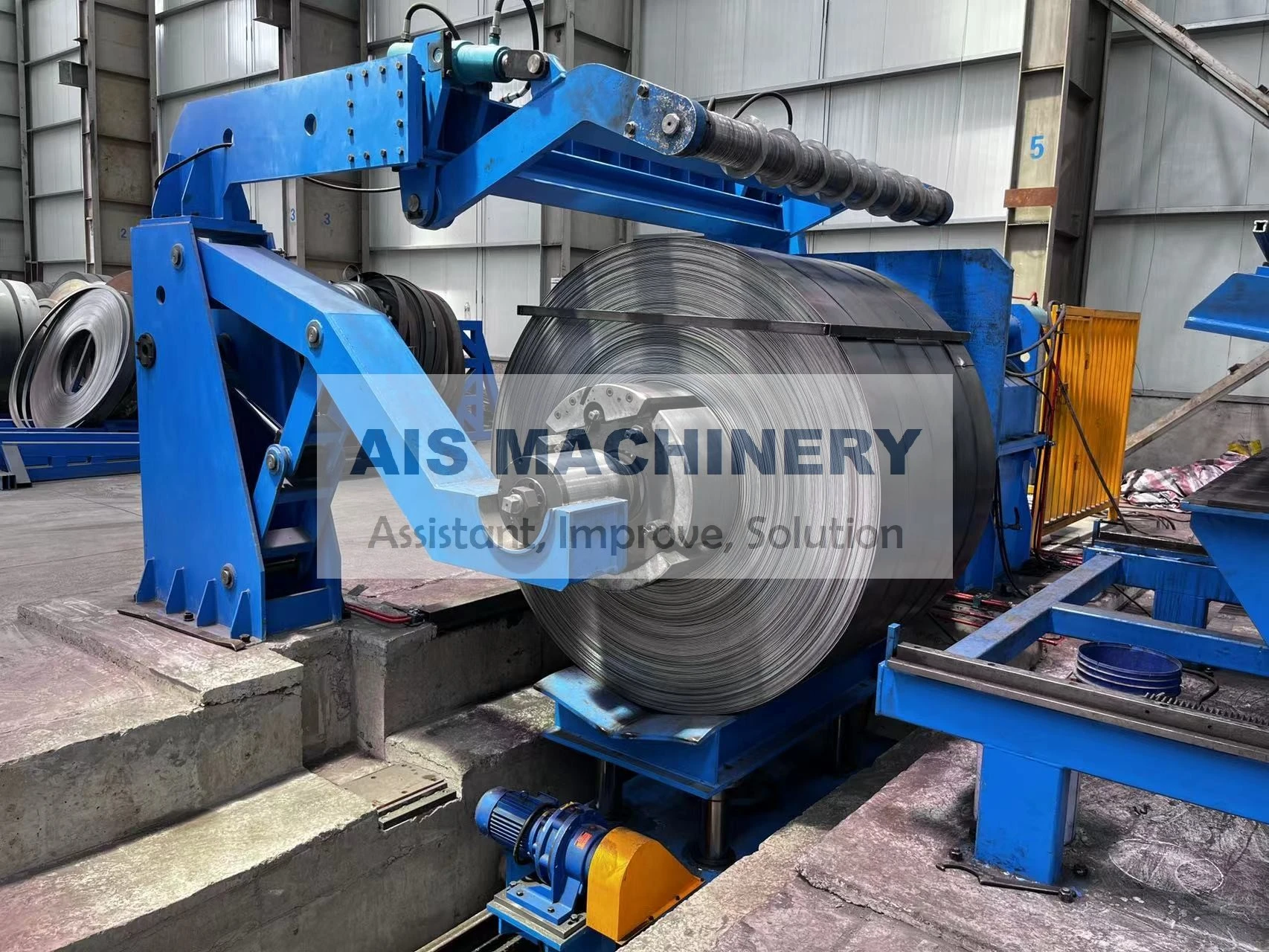 hydraulic uncoiler
hydraulic uncoiler
Pipe Straightener Machine
READ MORE
-
 erw tube mill supplier
erw tube mill supplier
8-inch ERW Tube Mill - HEBEI AIS MACHINERY EQUIPMENT CO.,LTD _ Precision & Durability
READ MORE
-
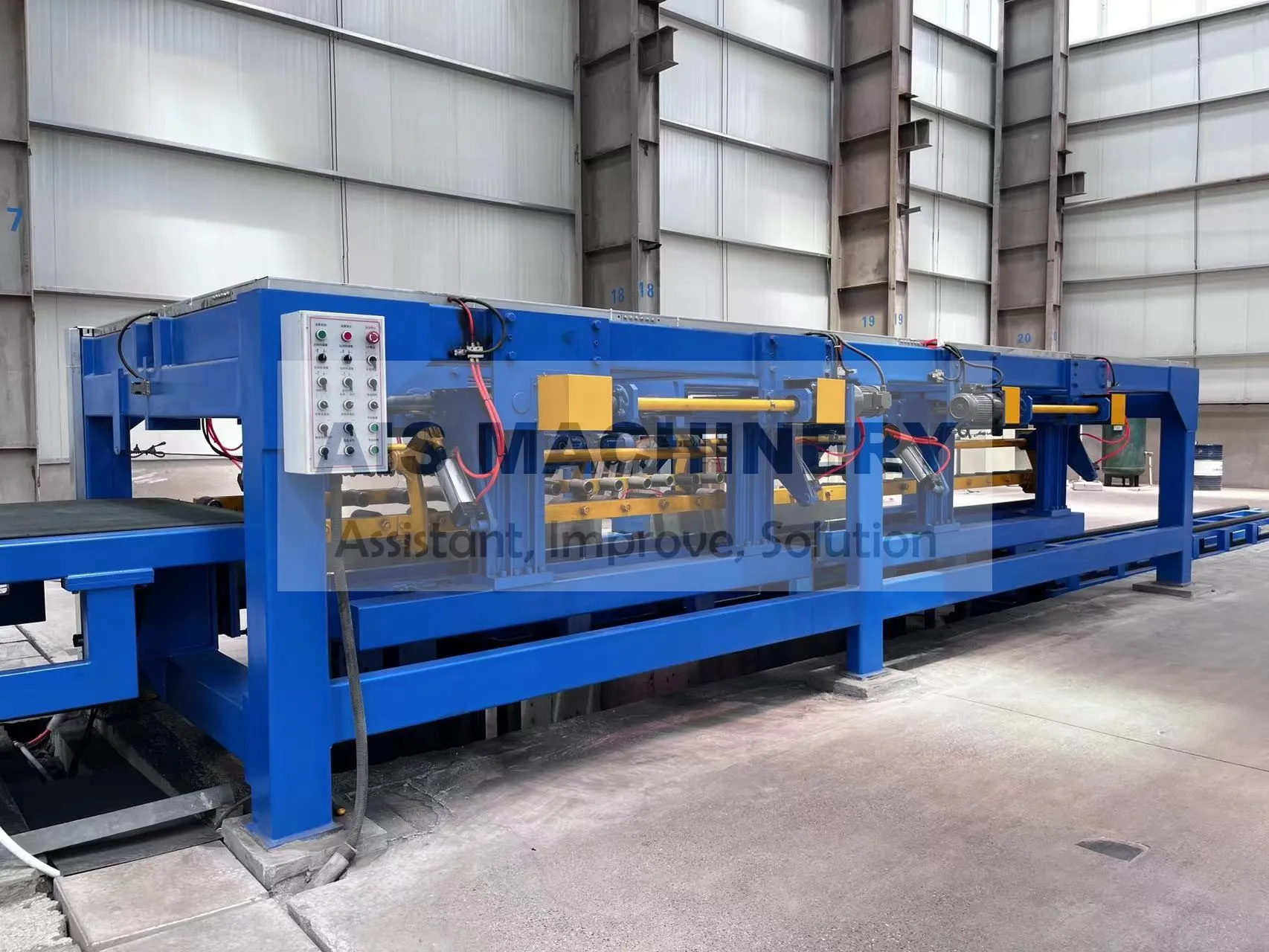 coil slitting equipment
coil slitting equipment
Metal Slitting Line
READ MORE
-
steel plate shearing machine
steel plate shearing machine
Cut to Length Line Flying Shear Stacker | Precision Steel Processing | HEBEI AIS
READ MORE
-
 eddy current testing equipment
eddy current testing equipment
Precision Eddy Current Tester for Reliable Flaw Detection
READ MORE
-
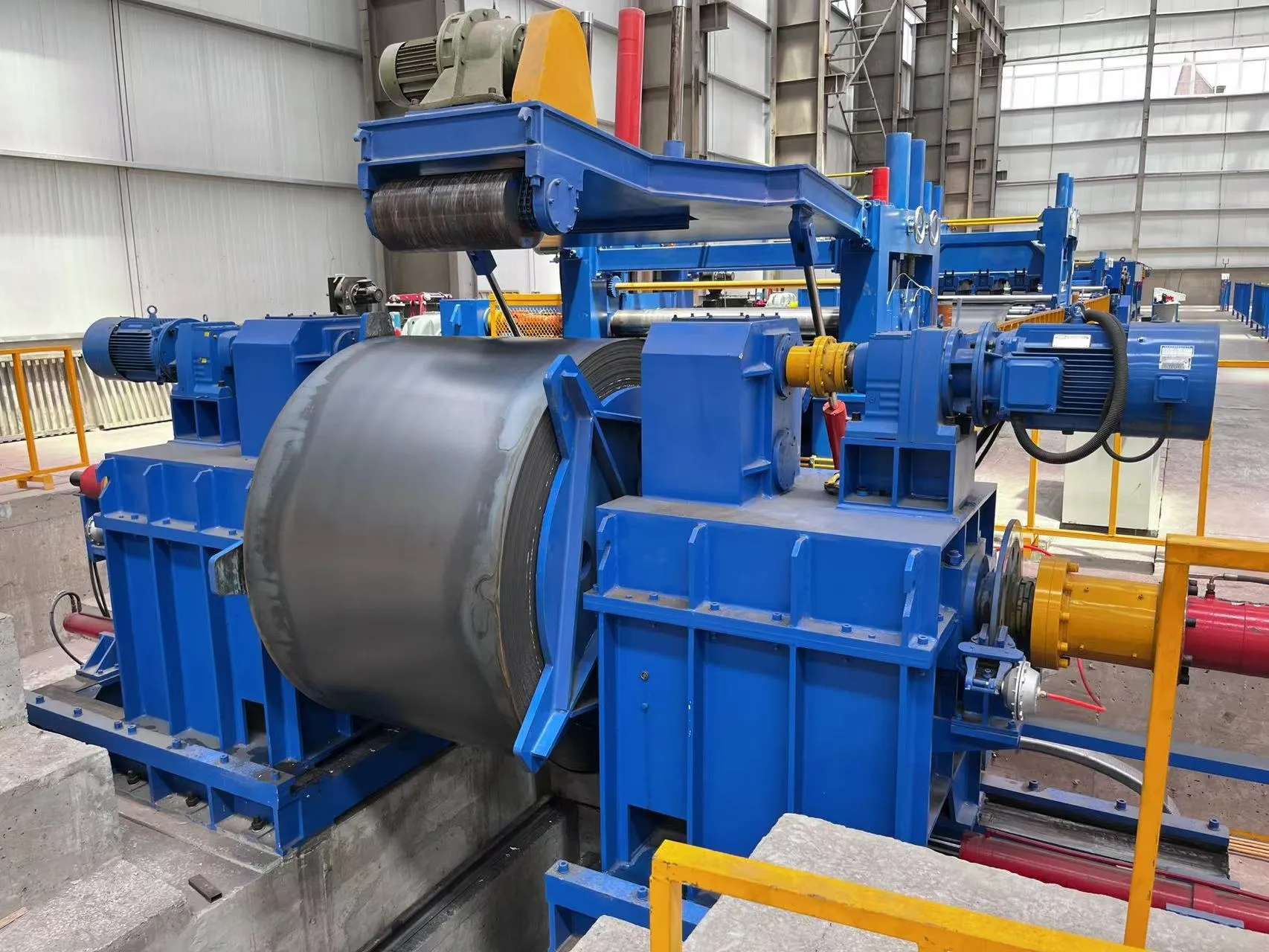 c purlin machine manufacturers
c purlin machine manufacturers
C Purlin Forming Machine | High-Speed, Precise, Adjustable
READ MORE
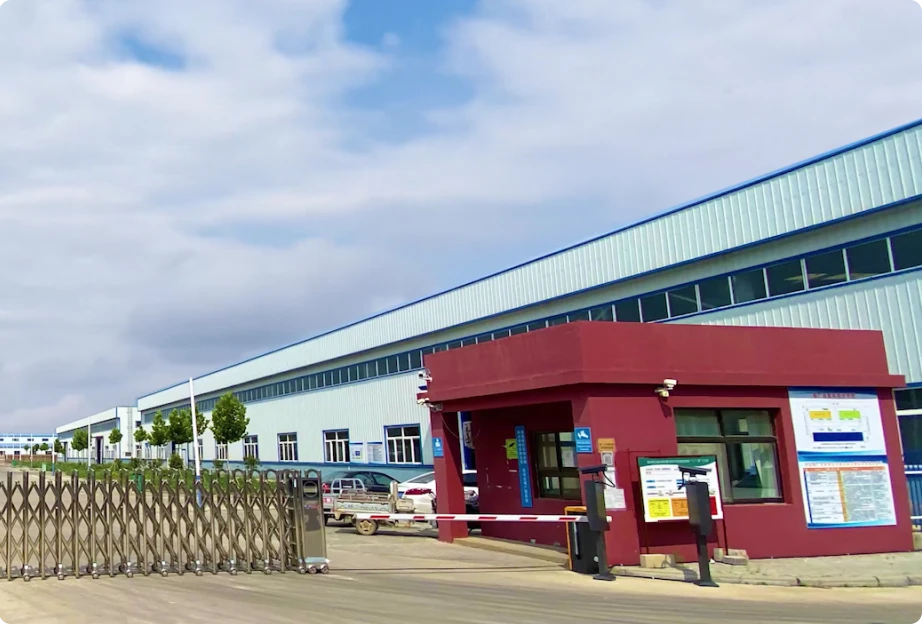

saw grinding machine
Video Product Description The friction saw is an online flying cutting system that uses high-speed rotating HSS blades to generate heat through friction, enabling efficient hot cutting of steel pipes. It is especially suitable for continuous production of carbon steel pipes , offering high-speed performance with relatively low operating cost. Compared to cold saws, friction saws are ideal for medium-to-large diameter pipes with moderate wall thickness. 2. BASIC DESIGN DATA Design of the proposed line is based on following specification: Parameter Specification Applicable Pipe Diameter Φ12.7mm – Φ406mm Applicable Wall Thickness 0.5mm – 16.0mm Saw Blade Diameter Ø600mm – Ø1600mm Main Motor Power 55kW – 160kW (variable frequency drive) Max Cutting Speed 60 – 120 m/min (synchronized with line speed) Cutting Length Range 4 – 12 meters (adjustable) Length Tolerance ±3mm Blade Cooling Method Air cooling with optional nozzle blowers Control System PLC + HMI + Servo tracking system Cutting Type Single-blade (standard) or dual-blade (optional) Saw Blade Type 65Mn , 8CrV type 3. Friction Saw Selection Guide Item Recommended Range Notes Pipe Diameter Range Φ12.7 – Φ406mm Match blade size with max pipe size Max Wall Thickness ≤16.0mm (Carbon Steel) Best for structural/general-purpose pipes Blade Diameter Options 300mm/600mm / 800mm / 1000mm / 1250mm / 1600mm Larger pipes require larger blades Main Motor Power Range 55 – 160 kW Depends on pipe size and cutting load Line Cutting Speed 80 – 120 m/min Works with servo-driven tracking system Pipe Clamping Pneumatic or hydraulic (double-sided) Ensures stable cutting at high speed Structure Type Single blade (standard) / Dual blade (for heavy pipe) Dual blade recommended for thick-wall pipes 4. Friction Saw vs. Cold Saw – Comparison Chart Category 🟠 Friction Saw 🔵 Cold Saw Cutting Principle High-speed frictional heating and hot cutting Low-speed, high-torque mechanical cutting Blade Type HSS (High-Speed Steel) friction blade TCT / HM (Tungsten Carbide Tipped / Carbide) blade Suitable Materials Carbon steel Carbon steel, stainless steel, alloy steel Cutting Speed Fast (60–120 m/min) Medium (≤40 m/min) Cutting Precision ±3mm (standard) ±1mm or better (high-precision) Thermal Effect Moderate (visible heat-affected zone) Minimal (smooth, clean edges) Burr & Surface Quality May require post-processing Excellent; minimal finishing required Blade Life Shorter (200–600 cuts/blade) Longer (1000–2000+ cuts/blade) Investment Cost Lower (machine + blade cost) Higher (machine + blade cost) Best Applications Structural pipes, scaffolding, fluid tubes Automotive tubing, precision pipe, export-grade pipe Not Recommended For Stainless / high-alloy / ultra-thick steel Extremely thick carbon steel (>10mm) 5. Conclusion & Recommendation s The flying friction saw is ideal for high-speed, continuous production of carbon steel tubes with moderate wall thickness and standard cutting tolerance. For precision cutting , or when working with stainless steel or alloy steel , the cold saw provides better finish and dimensional control, although at a higher cost. For flexible and cost-effective tube mills, many manufacturers choose a dual-system configuration —friction saw for general cutting, and cold saw for special grades or high-precision tubes. 6. Common Issues & Solutions – Flying Friction Saw for ERW Tube Mill Issue Possible Cause Recommended Solution 1. Pipe ends have large burrs • Blade is worn or blunt • Cutting speed too low • Incorrect blade angle ✔ Replace or resharpen the blade ✔ Increase blade RPM ✔ Check and correct blade angle 2. Pipe cut is not straight (angled cut) • Clamping pressure is uneven • Blade deflection • Servo tracking delay ✔ Adjust clamping force ✔ Check blade stiffness and runout ✔ Recalibrate tracking system 3. Blade breaks frequently • Excessive feed rate • Blade quality too low • Poor blade cooling ✔ Reduce feed rate ✔ Use high-quality friction blades ✔ Improve airflow or cooling 4. Blade overheating or discoloration • Insufficient cooling • Cutting pressure too high • Blade too dull ✔ Enhance air cooling ✔ Reduce feed force ✔ Replace dull blades promptly 5. Cutting length tolerance is unstable • Tracking system not properly synchronized • Servo encoder error ✔ Check servo encoder calibration ✔ Synchronize tracking mechanism with line speed 6. Sparks too intense or irregular • Blade-to-pipe contact angle incorrect • Blade not aligned with pipe center ✔ Reposition blade and realign cutting unit ✔ Adjust inclination for optimal contact 7. Abnormal vibration or noise during cutting • Blade imbalance • Loose bearings or guide rails • Pipe not clamped tightly ✔ Balance the blade ✔ Check all mechanical fastening points ✔ Reinforce pipe clamping 8. Blade wear is uneven • Pipe not perpendicular to blade • Inconsistent clamping or feed speed ✔ Adjust blade angle ✔ Ensure stable pipe feeding and holding 🛠️ Maintenance Tips: 🕑 Inspect the blade daily for cracks, dull teeth, and heat spots 🔩 Tighten mechanical connections weekly (clamps, bearings, guides) 💨 Check cooling system air ducts and nozzles regularly to avoid clogging ⚙️ Recalibrate servo tracking every 500 hours or when pipe length deviation exceeds tolerance 🧰 Keep spare blades and wear parts (bearings, belts) in inventory to reduce downtime OUR CERTIFICATE
ABOUT AIS


CASE RECORD
Production advantage
Why Choose Us?
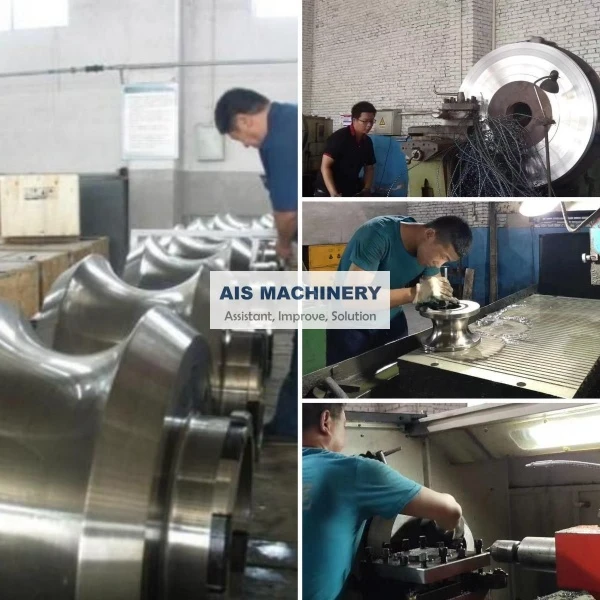
● Leading Technology, Reliable Quality, Excellent Service! ● Optimized Design, High quality material select! ● Heat treatment process guarantee. ● Spiral bevel gear, drum gear coupling and carburization. ● Gear teeth quenching.
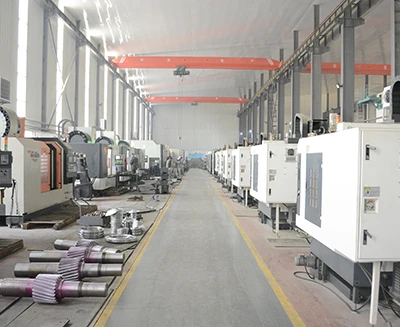
What can we bring to customers?
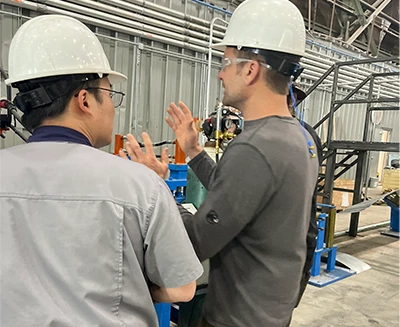
Reliable Quality:Our product has stable performance, low failure rate, long service life and high yeild rate.Excellent Service:24 hours online, reply very quick, 8 hours arrange engineer online guide, 48 hours can arrange engineer visit worksite.
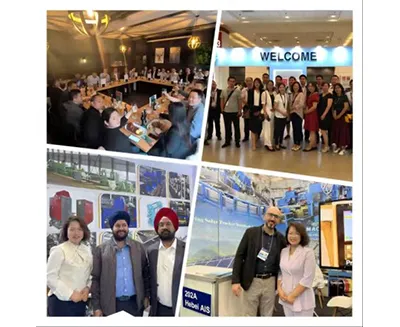
Where do our customers come from?
AIS Machinery sales network is covering USA, Euro, Southeast Asia and the Middle East. Under the principles of "Assistant, Improve, Solution", our company becomes one of most competitive companies in the industry step by step.
-

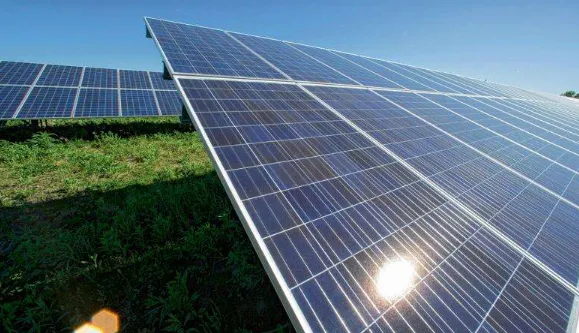
Solar piles
As solar projects become more popular in these coming years, steel pipe piles are widely use at the construction of renewable energy projects such as wind and solar .READ MORE

-
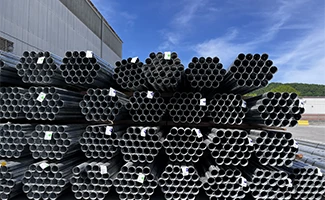
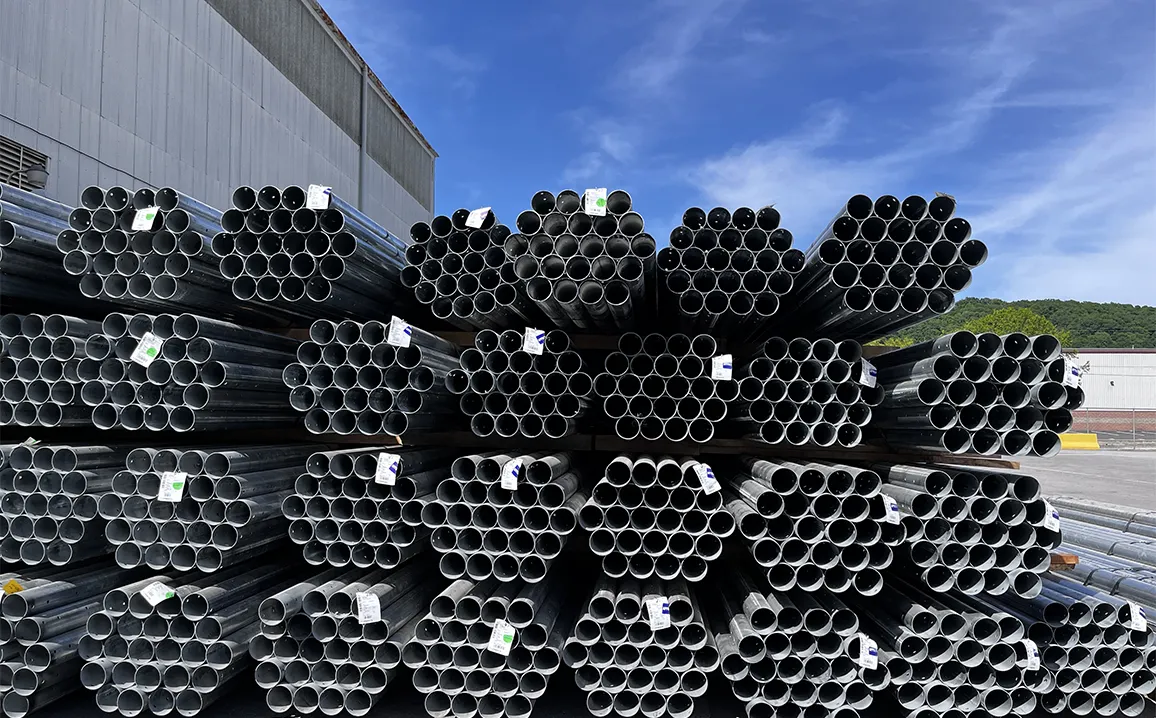
Natural gas and Liquid transmission
ERW steel pipes are commonly used in the transmission of natural gas from production sites to distribution centers and end-users.READ MORE
-
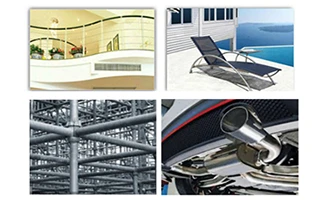
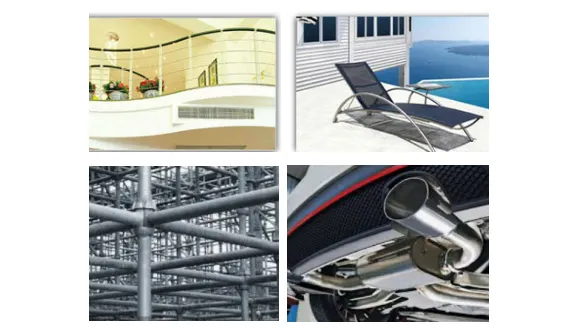
Automotive, Construction,Furniture
Electric Resistance Welded (ERW) tubes are pivotal across many industries, thanks to their precision, strength, and adaptability.READ MORE





Send a Message
Dear customer, thank you for your attention! We provide high-quality machinery and equipment and look forward to your orders. Please inform us of your needs and we will respond quickly!
 English